Tahnwi Lesley, The Dreamer
From dream to legacyLoading page content
Tahnwi Lesley, The Dreamer
From dream to legacy
The story behind the vision
Tahnwi Lesley · The Dreamer
Tahnwi Lesley Tembe’s story begins with hands-on work and early commerce. It continues through business failure, self-education and a deliberate move into real estate, technology and long-term asset building.
01 · Biography
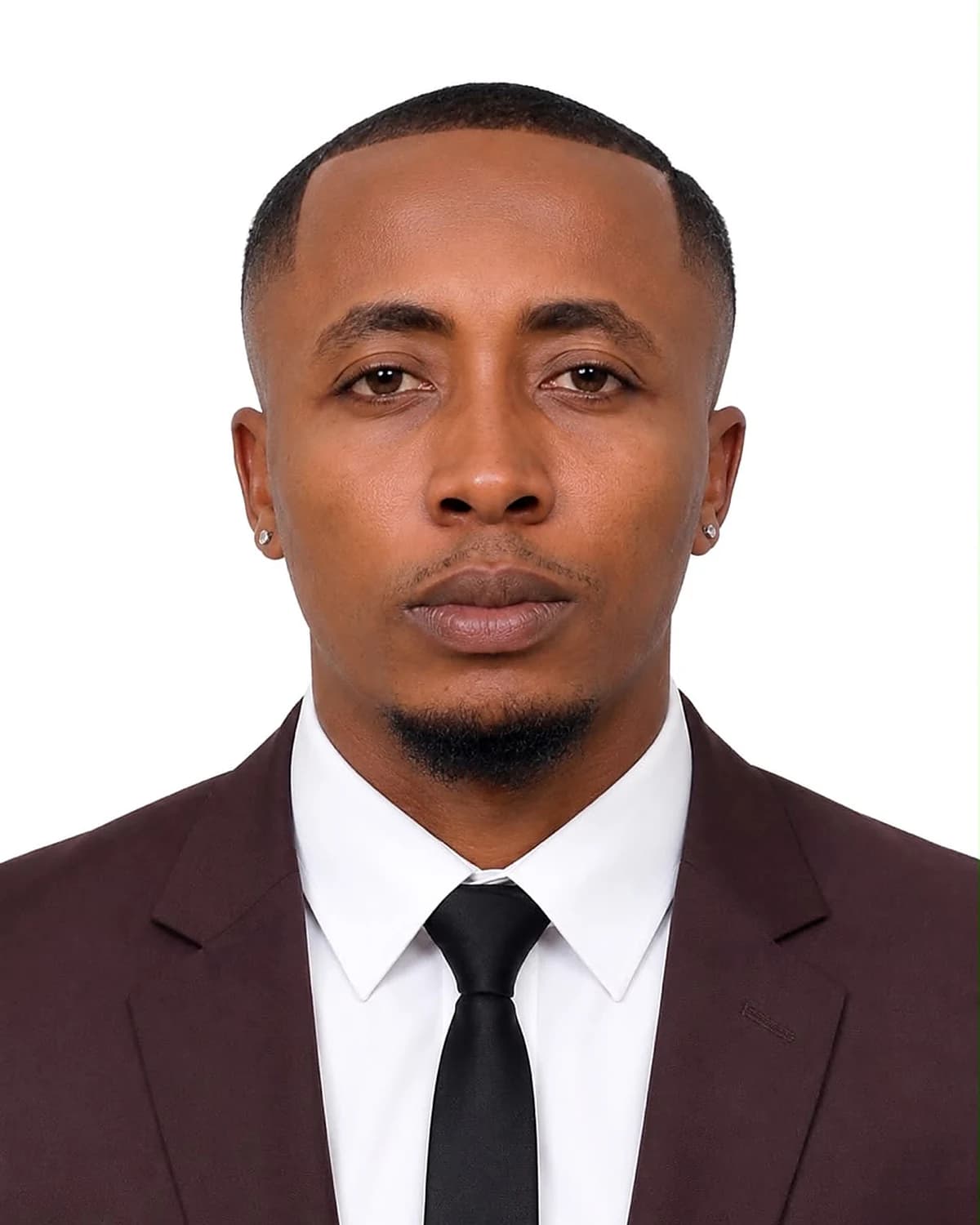
Tahnwi Lesley Tembe’s entrepreneurial education began far from a boardroom. As a child, he sold palm-kernel nuts, became absorbed by computers and learned practical responsibility in his father’s welding workshop and the family grinding mill.
He later earned his own income through demanding construction work and built an early mobile-phone trade around pricing, instalments and capital recycling. A growing iPhone business enabled his first land purchase, but tying up working capital and relying on an uncertain shipment contributed to a serious liquidity crisis. He sold assets and part of the land to clear outstanding obligations.
In Douala, he rebuilt through self-directed study in web development and digital marketing. That experience led to agency work and a wider interest in technology products. It also sharpened a central question: how could earned income become assets and institutions with value beyond one person’s time?
Real estate became the answer he chose to pursue. After approximately four years of marketing and selling properties in Cameroon, as well as early participation in smaller developments and joint-venture transactions, he relocated to Lagos to deepen his professional exposure to development, finance, feasibility and delivery.
The mission
“To build wealth, develop people and create a legacy that provides opportunities for future generations.”
The journey
Welding, iron bending and construction labour introduced Tahnwi to the physical work behind property. Phone trading added lessons in negotiation, customer trust and the discipline of reinvesting capital.
It is not a conventional real estate résumé. It is a practical one: see a problem, learn what is required, do the work and accept responsibility for the result.
Development philosophy
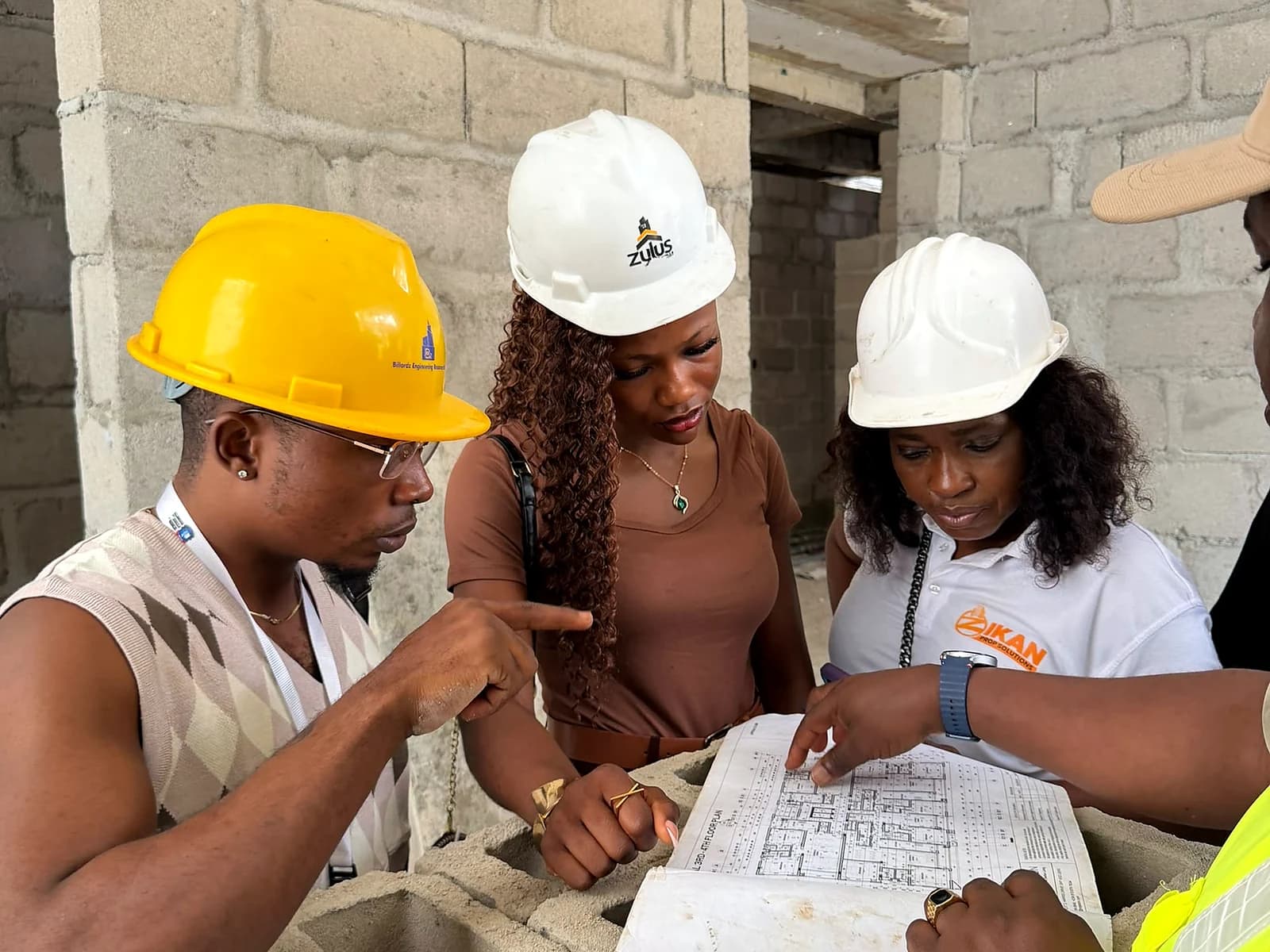
For Tahnwi, development is about more than selling property. It means identifying potential, understanding risk, structuring capital, creating useful places and protecting the trust of partners and customers.
That means taking due diligence, financing, feasibility, construction, risk and long-term value seriously from the beginning.
Leadership
The collapse of an earlier business still shapes the leadership standard he sets. High turnover is not financial security. Long-term investments should not consume essential working capital. Customer funds, debt, inventory and access require clear controls.
The lesson is direct: leaders must confront pressure early, communicate honestly and build organisations that remain accountable when confidence is tested.
Vision
Tahnwi’s ambition extends beyond transactions. His connected model uses property to create tangible long-term assets, technology to create scalable systems, investment to protect and develop capital, and social development to widen access to opportunity.
The vision is still being built. The goal is to create sustainable companies, valuable properties and institutions that do not depend entirely on one person.
A life in chapters
Primary school years
As a child, he sold palm-kernel nuts, became fascinated by computers and learned that effective marketing must still respect human dignity.
About age nine
At about nine, he earned 150 CFA francs for repairing a plastering trowel in his father’s welding workshop. He continued learning through welding, machinery, customer service and the family grinding mill.
2013
He took paid work clearing land, moulding blocks and digging on construction sites, while negotiating time to earn income outside the family business.
Secondary-school years
He bought and resold used Java phones through instalment plans. The experience taught him about pricing, capital recovery, inventory turnover, credit risk and customer trust.
2016 to 2018
He worked regularly with his father and brother in iron bending as the Anglophone Crisis affected Cameroon’s Northwest Region. He later moved to Douala for Advanced Level education.
From 2019
He built an iPhone-trading business around the university community in Bambili and used the proceeds to buy land. When the business faced a liquidity crisis, he sold assets and part of the land to meet outstanding obligations.
Rebuilding chapter
He studied web development for about a year, then spent about two more years developing digital marketing skills across search, advertising, social media, websites and customer acquisition.
Approximately four years
He marketed and sold property for companies and owners in Cameroon, then worked with a trusted team on smaller developments and joint-venture transactions.
Lagos chapter
He moved to Lagos to gain exposure to larger developments, more sophisticated transactions and a wider network of property professionals, investors and developers.
Today
Today, his work connects real estate, technology, investment and social development through the Dream Life ecosystem.
Principles in practice
Create results without exploiting another person’s circumstances.
Practical questions, self-education and a willingness to begin can turn limited access into useful capability.
Leadership is tested when plans fail. Obligations and difficult conversations still have to be faced.
Let revenue, liquidity, risk controls and contingency planning grow together.
A strong institution continues creating value through clear systems and shared responsibility.
Turn present opportunity into durable assets, useful institutions and fair opportunity for others.
Leadership and enterprise
Dream Life brings together property, technology, investment and social development. Each company has a different role, but they share the same goal of building lasting value and wider opportunity.
Real estate
Develops and markets real estate opportunities.
Technology
Creates digital products and practical technology solutions, including ZafPay, which is currently in development.
Investment
Applies a disciplined approach to investment, capital preservation and professional development.
Social development
Creates fair opportunities for determined young people and underserved communities.
The next chapter
I want to build useful places, strong companies and opportunities that continue long after I am gone.